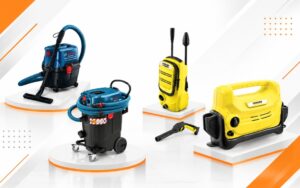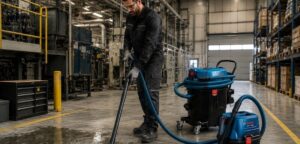

Vacuum cleaners have become essential cleaning equipment for industries, offices, hotels, hospitals, warehouses, and commercial spaces. Modern businesses require efficient cleaning solutions that can remove dust, debris, liquid waste, and contaminants quickly.
Karcher vacuum cleaners are widely recognized for their advanced cleaning technology, strong suction performance, and industrial durability. Whether for commercial cleaning or industrial maintenance, Karcher machines are designed to improve cleaning productivity and workplace hygiene.
Choosing the right vacuum cleaner depends on multiple factors such as suction power, filtration system, tank capacity, portability, and cleaning applications. This guide explains the top features businesses should consider before purchasing a Karcher vacuum cleaner.
Why Karcher Vacuum Cleaners Are Popular
Karcher is known globally for manufacturing professional cleaning equipment.
Businesses prefer Karcher vacuum cleaners because of:
- Powerful suction
- Durable construction
- Wet and dry cleaning support
- Energy efficiency
- Advanced filtration systems
- Industrial-grade performance
These vacuum cleaners are suitable for both commercial and industrial environments.
Key Features to Look for in a Karcher Vacuum Cleaner
Wet and Dry Cleaning Capability
One of the most important features is wet and dry cleaning support.
Wet and dry vacuum cleaners can clean:
- Dust
- Liquid spills
- Mud
- Industrial debris
- Construction waste
This versatility makes them suitable for multiple industries.
Strong Suction Power
High suction power improves cleaning speed and efficiency.
Industrial environments require vacuum cleaners capable of handling heavy debris and fine dust particles.
Advanced Filtration System
A high-quality filtration system improves air quality.
HEPA filters help remove:
- Fine dust
- Allergens
- Bacteria
- Industrial particles
This is especially important in hospitals, offices, and manufacturing units.
Tank Capacity
Larger tank capacity allows continuous cleaning without frequent emptying.
Industrial applications usually require high-capacity vacuum cleaners.
Portability and Mobility
Portable vacuum cleaners improve convenience and movement across work areas.
Features such as:
- Wheels
- Compact design
- Flexible hoses
- Lightweight construction
help improve usability.
Energy Efficiency
Energy-efficient machines reduce operational costs and electricity consumption.
Modern Karcher machines are designed for optimized power usage.
Noise Reduction Technology
Low-noise vacuum cleaners are ideal for:
- Offices
- Hotels
- Hospitals
- Commercial spaces
Reduced noise improves workplace comfort.
Applications of Karcher Vacuum Cleaners
Industrial Cleaning
Factories use vacuum cleaners for removing industrial dust and debris.
Commercial Buildings
Offices and malls require regular floor and carpet cleaning.
Hospitality Industry
Hotels use vacuum cleaners for maintaining hygiene and cleanliness.
Healthcare Facilities
Hospitals require advanced filtration systems for infection control.
Warehouses
Warehouse cleaning helps improve safety and inventory management.
Benefits of Using Industrial Vacuum Cleaners
Faster Cleaning
Industrial vacuum cleaners reduce cleaning time significantly.
Better Hygiene
Powerful suction removes dust and contaminants effectively.
Reduced Manual Labor
Automation improves cleaning productivity.
Improved Air Quality
Advanced filtration systems support healthier workplaces.
How to Choose the Right Vacuum Cleaner
Businesses should evaluate:
- Cleaning area size
- Surface type
- Wet or dry cleaning needs
- Frequency of usage
- Filter requirements
- Portability
- Power consumption
Choosing the correct machine improves long-term cleaning efficiency.
Common Mistakes to Avoid
Buying Based Only on Price
Low-cost machines may lack durability and performance.
Ignoring Filter Quality
Poor filtration reduces air quality.
Choosing Low Tank Capacity
Frequent emptying affects productivity.
Selecting Incorrect Machine Type
Industrial environments require heavy-duty machines.
Maintenance Tips for Vacuum Cleaners
Clean Filters Regularly
Dirty filters reduce suction performance.
Empty Tanks Frequently
Overfilled tanks reduce efficiency.
Inspect Hoses and Accessories
Damaged components should be replaced promptly.
Store Properly
Machines should be stored in clean and dry areas.
Future Trends in Industrial Vacuum Cleaning
Industries are increasingly adopting:
- Smart cleaning equipment
- Battery-operated machines
- Energy-efficient systems
- Advanced filtration technologies
The demand for automated cleaning solutions is expected to grow rapidly.
Conclusion
Karcher vacuum cleaners provide reliable and efficient cleaning solutions for industrial and commercial environments. Features such as strong suction power, advanced filtration, wet and dry cleaning capability, and energy efficiency make them ideal for professional applications.
Businesses should carefully evaluate cleaning requirements before selecting a vacuum cleaner. Investing in a high-quality industrial vacuum cleaner improves workplace hygiene, operational efficiency, and long-term cost savings.
Choosing the right Karcher vacuum cleaner ensures professional cleaning performance and safer commercial environments.
FAQs
Why are Karcher vacuum cleaners popular?
Karcher vacuum cleaners are known for strong suction, durability, and industrial cleaning performance.
What is a wet and dry vacuum cleaner?
A wet and dry vacuum cleaner can clean both liquid spills and dry dust or debris.
Are Karcher vacuum cleaners suitable for industries?
Yes, they are widely used in factories, warehouses, hotels, and commercial spaces.
What filtration systems are available in industrial vacuum cleaners?
Many industrial vacuum cleaners use HEPA filtration systems for improved air quality.
How do I maintain a Karcher vacuum cleaner?
Regularly clean filters, empty tanks, inspect hoses, and store the machine properly.