Maintaining workplace hygiene is essential for industries, factories, warehouses, hospitals, offices, and commercial facilities. Dust, debris, industrial waste, and airborne particles can negatively impact employee health, operational efficiency, and workplace safety.
Industrial vacuum cleaners are designed to improve cleaning efficiency and maintain hygienic work environments. Unlike traditional cleaning methods, industrial vacuum systems remove fine dust, contaminants, and debris effectively while improving indoor air quality.
As industries focus more on safety standards and operational cleanliness, industrial vacuum cleaners have become an important part of workplace maintenance strategies.
This article explains how industrial vacuum cleaners improve workplace hygiene and why businesses are investing in advanced cleaning equipment.
What Is an Industrial Vacuum Cleaner?
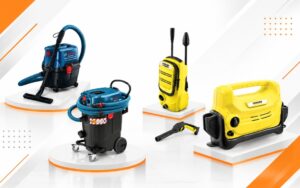
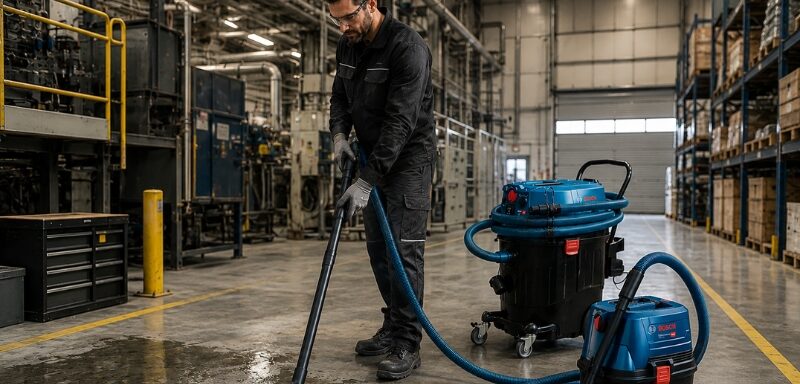
An industrial vacuum cleaner is a heavy-duty cleaning machine designed for commercial and industrial applications.
These machines are used to clean:
- Dust
- Dry debris
- Liquid spills
- Fine particles
- Chemical residue
- Industrial waste
Industrial vacuum cleaners are more powerful and durable than standard household vacuum machines.
Importance of Workplace Hygiene
A clean workplace offers several advantages:
- Better employee health
- Reduced accidents
- Improved productivity
- Professional work environment
- Compliance with safety regulations
Poor hygiene may lead to respiratory issues, contamination risks, and operational inefficiencies.
Common Workplace Hygiene Challenges
Dust Accumulation
Factories and warehouses generate large amounts of dust.
Fine Particle Pollution
Industrial processes release airborne particles that affect air quality.
Oil and Chemical Spills
Manufacturing facilities often face liquid contamination issues.
Waste Buildup
Industrial debris can create unsafe working conditions.
How Industrial Vacuum Cleaners Improve Hygiene
Effective Dust Removal
Industrial vacuum cleaners remove fine dust from floors, machinery, walls, and workstations.
This helps reduce respiratory risks and improve workplace cleanliness.
Improved Indoor Air Quality
Advanced filtration systems capture airborne particles and allergens.
HEPA filters help improve air quality in commercial spaces.
Faster Cleaning Operations
Automated vacuum systems clean large areas quickly.
This improves operational efficiency and reduces downtime.
Reduced Health Risks
Cleaner environments reduce employee exposure to:
- Dust
- Allergens
- Bacteria
- Hazardous particles
Better Compliance with Safety Standards
Industries must maintain hygiene standards to comply with workplace safety regulations.
Industrial vacuum cleaners support these compliance requirements.
Industries Using Industrial Vacuum Cleaners
Manufacturing Industry
Factories require regular cleaning of production areas and machinery.
Pharmaceutical Industry
Clean environments are essential for pharmaceutical operations.
Construction Sites
Vacuum cleaners remove cement dust and debris effectively.
Warehouses
Warehouse cleaning improves storage safety and operational efficiency.
Hospitality Industry
Hotels and commercial buildings use vacuum systems for professional cleaning.
Features to Consider in Industrial Vacuum Cleaners
Powerful Suction Capacity
High suction improves cleaning performance.
HEPA Filtration
Advanced filters improve air quality.
Large Tank Capacity
Larger tanks support continuous cleaning operations.
Wet and Dry Cleaning
Versatile machines handle multiple cleaning tasks.
Durable Construction
Industrial-grade machines offer long-term reliability.
Benefits for Employee Safety
Clean workplaces reduce:
- Slip hazards
- Respiratory issues
- Dust exposure
- Fire risks from debris accumulation
Employee safety directly impacts productivity and workplace morale.
Why Businesses Are Investing in Automated Cleaning Solutions
Modern industries prefer automated cleaning systems because they:
- Improve hygiene standards
- Reduce manual labor
- Increase cleaning speed
- Lower operational costs
- Support workplace safety
Industrial vacuum cleaners are becoming essential for maintaining professional industrial environments.
Maintenance Tips for Industrial Vacuum Cleaners
Clean Filters Frequently
Dirty filters reduce airflow and efficiency.
Empty Waste Containers
Overflowing containers reduce suction performance.
Inspect Hoses and Motors
Regular inspections improve machine lifespan.
Store Properly
Machines should be stored in clean and dry environments.
Environmental Benefits of Industrial Vacuum Cleaners
Modern vacuum systems support sustainability by:
- Reducing airborne pollution
- Improving waste management
- Supporting energy-efficient cleaning
- Minimizing chemical usage
Future Trends in Industrial Cleaning
Industries are increasingly adopting:
- Smart vacuum systems
- Robotic cleaning machines
- Battery-operated equipment
- Advanced filtration technology
The future of workplace cleaning is focused on automation and sustainability.
Conclusion
Industrial vacuum cleaners play a major role in improving workplace hygiene, employee safety, and operational efficiency. Their ability to remove dust, debris, and airborne contaminants helps industries maintain cleaner and healthier work environments.
Businesses across manufacturing, construction, hospitality, healthcare, and warehousing sectors are investing in industrial vacuum cleaning solutions to improve productivity and comply with hygiene standards.
Choosing the right industrial vacuum cleaner helps organizations maintain professional workplaces while reducing cleaning costs and improving long-term operational performance.
FAQs
What are industrial vacuum cleaners used for?
Industrial vacuum cleaners remove dust, debris, liquid spills, and industrial waste from workplaces.
How do industrial vacuum cleaners improve hygiene?
They remove airborne particles, dust, and contaminants that affect workplace cleanliness and safety.
Which industries use industrial vacuum cleaners?
Manufacturing, healthcare, construction, warehousing, and hospitality industries commonly use them.
What is the benefit of HEPA filtration?
HEPA filters capture fine particles and improve indoor air quality.
Why is workplace hygiene important in industries?
Proper hygiene improves employee safety, operational efficiency, and compliance with safety standards.