

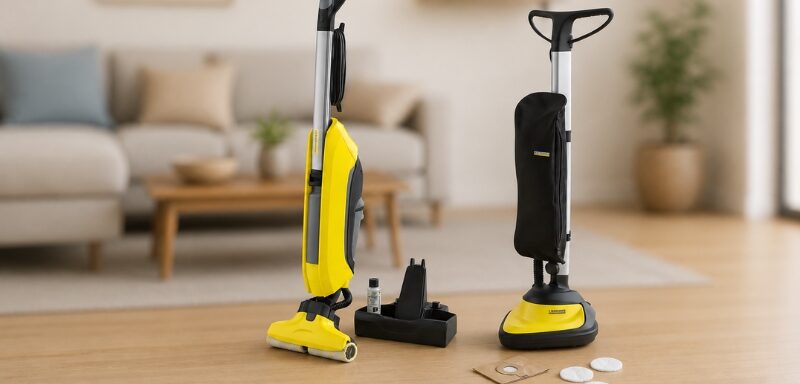
Introduction
Maintaining clean floors is extremely important for industries, commercial spaces, hospitals, warehouses, shopping malls, and manufacturing units. Clean floors improve workplace safety, enhance appearance, and create a hygienic environment for employees and visitors.
Traditional manual cleaning methods have been used for years, but modern industries are now shifting toward advanced floor scrubber machines for better cleaning efficiency. Manual mopping often consumes more time, labour, and water while delivering inconsistent cleaning results.
Floor scrubber machines are designed to automate floor cleaning processes and improve productivity. Businesses today are increasingly investing in industrial floor scrubbers to reduce operational costs and maintain high hygiene standards.
This article compares floor scrubber machines and manual cleaning methods to help businesses understand which solution is better for industrial and commercial applications.
What Is a Floor Scrubber Machine?
A floor scrubber machine is an automated cleaning machine that scrubs, washes, and dries floors efficiently. These machines are commonly used in:
- Shopping malls
- Hospitals
- Airports
- Warehouses
- Manufacturing facilities
- Commercial buildings
Floor scrubbers are available in:
- Walk-behind scrubbers
- Ride-on scrubbers
- Automatic scrubbers
- Compact floor cleaning machines
These machines use brushes, water, cleaning solutions, and vacuum systems to clean floors effectively.
Challenges of Manual Floor Cleaning
Manual cleaning has several limitations, especially in large industrial areas.
Time-Consuming Process
Cleaning large areas manually requires significant time and labour.
Inconsistent Cleaning Quality
Manual mopping may leave dirt, stains, and moisture behind.
Increased Labor Costs
Large teams are often required for regular floor cleaning.
Excessive Water Usage
Traditional cleaning methods consume more water.
Safety Risks
Wet floors may cause slipping accidents.
Advantages of Floor Scrubber Machines
Faster Cleaning Performance
Floor scrubber machines clean large areas quickly and efficiently.
Better Hygiene Standards
Advanced scrubbing technology removes dirt, bacteria, grease, and stains effectively.
Reduced Water Consumption
Modern machines optimize water usage compared to manual mopping.
Lower Operational Costs
Automation reduces dependency on manual labour.
Improved Workplace Safety
Most scrubbers dry floors immediately, reducing slip hazards.
Comparison Between Floor Scrubbers and Manual Cleaning
Cleaning Efficiency
Floor scrubbers provide deep cleaning and better stain removal.
Manual cleaning often fails to remove stubborn dirt completely.
Productivity
Automated machines cover larger areas in less time.
Cost Effectiveness
Although floor scrubbers require an initial investment, they reduce long-term labour costs.
Hygiene Maintenance
Machines deliver more consistent and professional cleaning results.
Water Usage
Scrubber machines use controlled water systems that minimize wastage.
Industries That Benefit from Floor Scrubber Machines
Hospitals
Hospitals require strict hygiene and infection control.
Warehouses
Large warehouse floors accumulate dust and industrial debris.
Shopping Malls
High footfall areas require regular floor maintenance.
Airports
Airports need efficient cleaning systems for passenger safety.
Manufacturing Plants
Factories require industrial cleaning for operational safety.
Types of Floor Scrubber Machines
Walk-Behind Floor Scrubbers
Ideal for medium-sized commercial areas.
Ride-On Floor Scrubbers
Suitable for large industrial facilities.
Compact Floor Scrubbers
Best for narrow spaces and small commercial properties.
How to Choose the Right Floor Scrubber Machine
Businesses should evaluate:
- Floor area size
- Surface type
- Cleaning frequency
- Water tank capacity
- Battery backup
- Brush performance
- Machine durability
Selecting the right machine improves cleaning efficiency and operational productivity.
Maintenance Tips for Floor Scrubber Machines
Clean Brushes Regularly
Dirty brushes reduce cleaning performance.
Check Water Tanks
Tanks should be cleaned frequently to prevent contamination.
Inspect Battery Performance
Battery-operated machines require regular charging and maintenance.
Replace Worn Components
Timely replacement improves machine efficiency.
Why Businesses Are Switching to Automated Cleaning
Automation helps industries improve:
- Productivity
- Hygiene standards
- Workplace safety
- Cost efficiency
- Cleaning consistency
Modern commercial spaces increasingly prefer automated floor cleaning equipment to meet professional hygiene standards.
Environmental Benefits of Floor Scrubber Machines
Modern scrubber machines support sustainable cleaning practices through:
- Reduced water consumption
- Controlled chemical usage
- Lower waste generation
- Energy-efficient operations
Conclusion
Floor scrubber machines offer several advantages over traditional manual cleaning methods. They improve cleaning efficiency, reduce labour costs, save water, and maintain better hygiene standards.
For industries and commercial spaces with large floor areas, automated scrubber machines are a smart long-term investment. Businesses looking to improve workplace cleanliness and operational efficiency should consider upgrading to industrial floor scrubber machines.
Choosing the right floor cleaning equipment ensures safer, cleaner, and more productive commercial environments.
FAQs
1. What are floor scrubber machines used for?
Floor scrubber machines are used for automated cleaning of commercial and industrial floors.
2. Are floor scrubber machines better than manual cleaning?
Yes, they provide faster cleaning, improved hygiene, lower labor costs, and better productivity.
3. Which industries use floor scrubber machines?
Hospitals, warehouses, malls, airports, and factories commonly use floor scrubbers.
4. Do floor scrubber machines save water?
Yes, modern floor scrubbers use controlled water systems that reduce water wastage.
5. What type of floor scrubber is suitable for large areas?
Ride-on floor scrubber machines are ideal for large industrial and commercial spaces.


